
When I started looking at ways a business can accept digital payments, I quickly realized that there is no single payment tool that works for everyone.The right option depends on where my customers are located, what I sell, whether I have a website, and which payment methods I want to offer.Some platforms let me create simple payment links. Others provide full checkout systems, invoices, subscriptions, or ecommerce integrations.Here are seven digital payment tools I would consider for a small business.
1. Paystack — Great for African Businesses
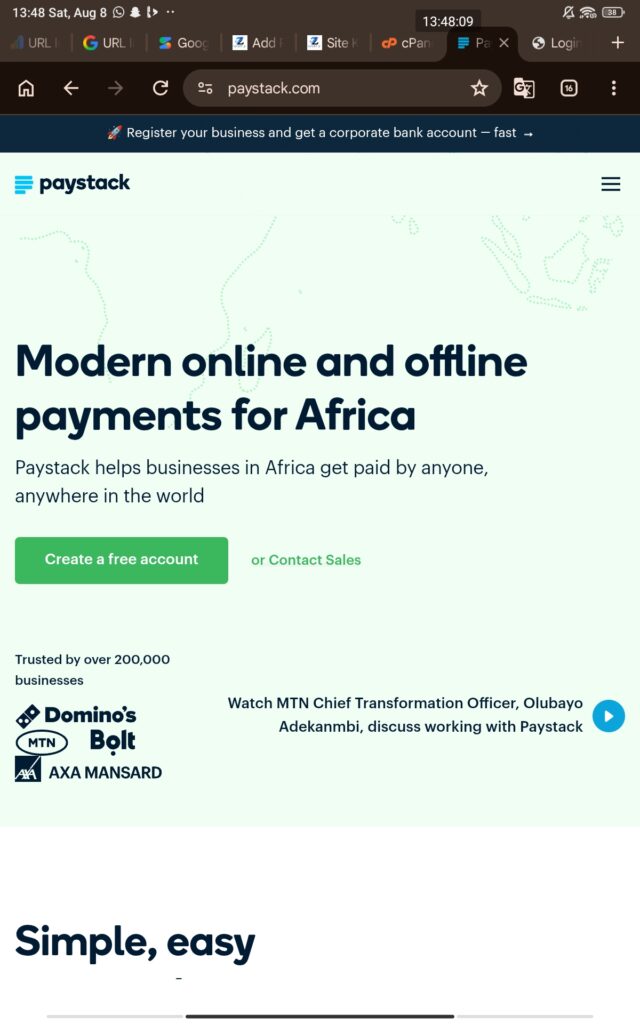
Paystack is one of the first tools I would look at if I were running a business in Africa, particularly Nigeria.It allows businesses to accept online payments and provides tools for collecting payments from customers.
What I like about it
- Online payment collection
- Payment links
- Website integrations
- Payment Automation
- Tools for businesses and developers
- Support for multiple payment methods depending on location
Best for
Small businesses, online sellers, service providers, and African businesses.
If I primarily serve customers in Nigeria or other supported African markets, Paystack would be one of the platforms on my shortlist.
2. Flutterwave — Useful for Local and International Payments
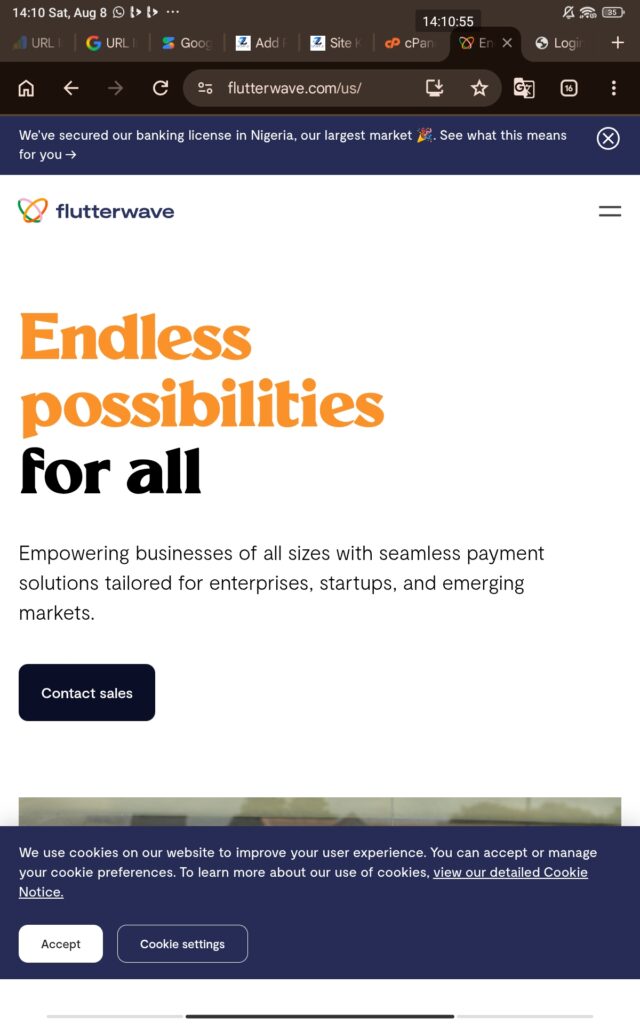
Flutterwave is another major payment platform I would consider, especially if my business needs to collect payments from customers in diffferent markets.The platform provides payment collection tools for businesses and supports different payment methods depending on the customer’s location.
What I like about it
- Online payments
- Payment links
- Invoicing features
- Ecommerce integrations
- Multiple payment methods
- Tools designed for businesses operating across markets
Best for
Businesses that want flexibility across African and international markets.
I would compare its current fees and supported payment methods with Paystack before deciding between the two.
3. Stripe — Excellent for Online Businesses and Developers
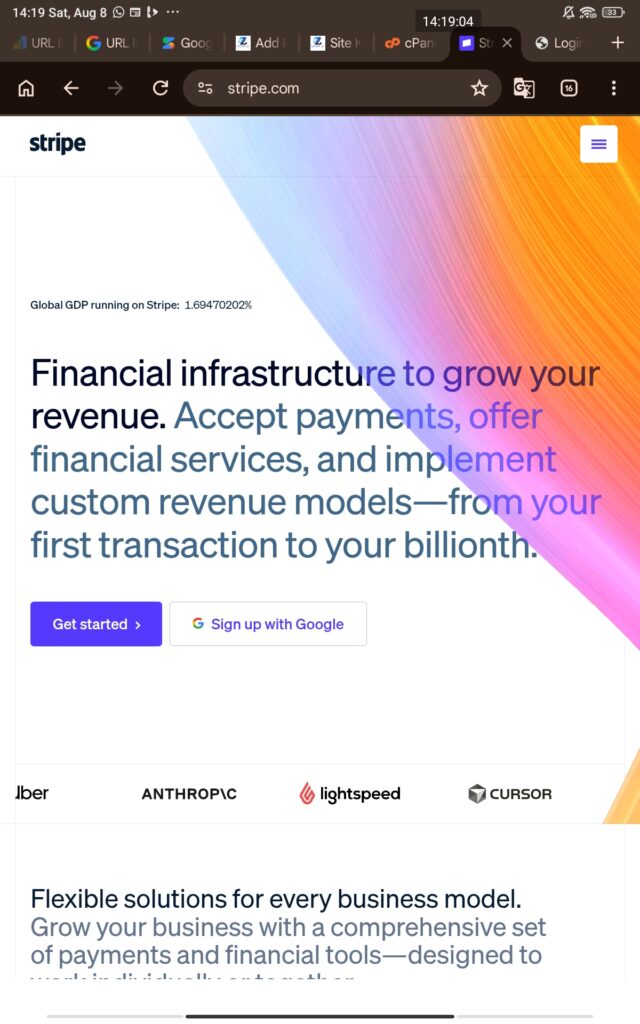
Stripe is one of the best-known payment platforms for internet businesses.
I would particularly consider Stripe if I were building a SaaS product, online marketplace, subscription service, or custom ecommerce application. Stripe offers payment processing alongside a large collection of developer tools.
What I like about it
- Online checkout
- Payment links
- Subscriptions
- InvoicingDeveloper APIs
- Ecommerce integrations
- International payment capabilities in supported markets
Best for
SaaS companies, ecommerce businesses, startups, and businesses with technical teams.
Stripe can be extremely powerful, although some of its more advanced capabilities may be more than a small business needs initially.
4. PayPal — Convenient for International Customers

PayPal is a familiar name to many online shoppers. If I sell services or digital products to customers in markets where PayPal is widely used and supported, offering it can give customers another way to pay.
What I like about it
- Recognizable payment brand
- Online payments
- Payment links and invoices in supported markets
- Useful for certain international transactions
- Familiar checkout experience for many customers
Best for
Freelancers, online sellers, digital businesses, and businesses serving customers in PayPal-supported markets.
I would check PayPal’s availability and withdrawal options in my country before making it my primary payment solution.
5. Square — Great for Small Businesses and In-Person Payments
Square takes a slightly different approach from some of the online-first payment platforms.
It is particularly useful for businesses that accept payments in person, such as retail stores, restaurants, salons, and other physical businesses. It also provides business tools that can connect payments with sales and operations.
What I like about it
- In-person payments
- Point-of-sale tools
- Online selling features
- InvoicesBusiness management features
Best for
Retailers, restaurants, salons, service businesses, and other physical businesses in supported markets.
If most of my customers walk into my store, I would look closely at Square rather than choosing a platform designed mainly for online transactions.
Mollie — A Strong European Option
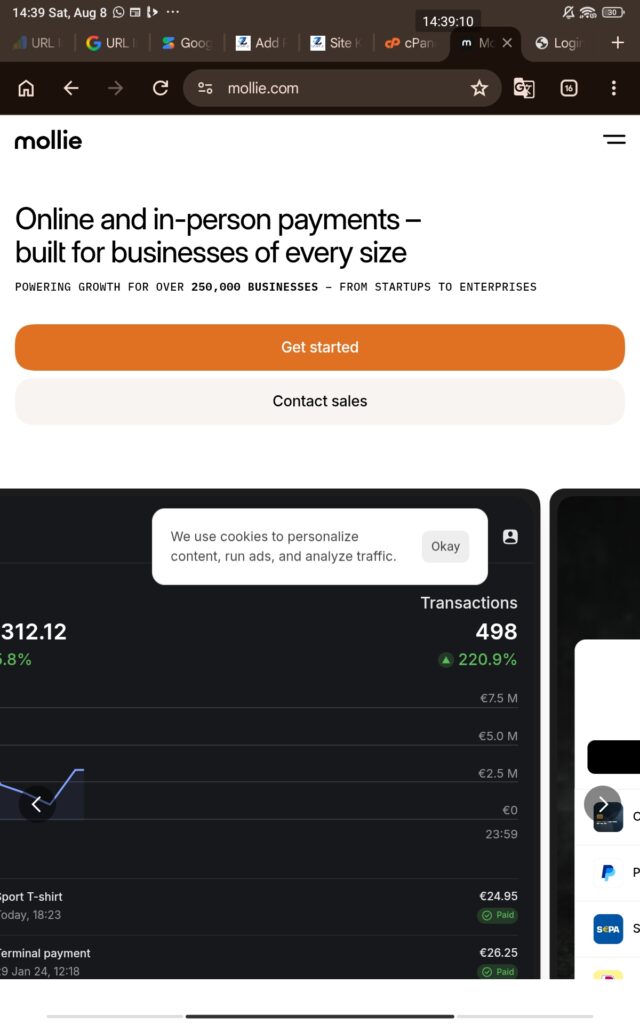
Mollie is a payment service provider focused heavily on European businesses.It supports online payment methods and provides tools for ecommerce businesses.
What I like about it
- Online payments
- Ecommerce integrations
- Payment links
- Recurring payments
- Multiple European payment methods
Best for
European ecommerce businesses and online merchants. If my customers are primarily in Europe, I would compare Mollie with Stripe and other payment providers available in my country.
7. Adyen — Built for Larger Businesses
Adyen is a payment platform I would look at when a business has grown beyond basic payment collection. It is designed for businesses that need payment processing across multiple markets and channels.
What I like about it
- Online paymentsIn-person payments
- Global payment infrastructure
- Fraud-management tools
- Omnichannel payment capabilities
- Enterprise-focused features
Best for
Large businesses, international retailers, marketplaces, and enterprises.
For a tiny business selling a few products each month, Adyen could be unnecessary complexity. For a large international company, however, its capabilities become much more relevant.
Which One Would I Choose?
If I were choosing a payment tool today, I would start with my customers rather than the brand name.
For a SaaS or developer-focused business: I would look closely at Stripe.
For customers who already prefer PayPal: I would consider PayPal, where it is supported for my business.
For a physical retail business: I would investigate Square or another locally supported point-of-sale provider.
For a European online store: I would compare Mollie with other payment providers available in my market.
For a large international company: I would consider enterprise platforms such as Adyen.
The cheapest or most popular platform isn’t automatically the best one. I would compare transaction fees, supported countries, currencies, payment methods, payout times, integrations, verification requirements, and customer support before making my final choice.
For a new business, I would also start with the simplest payment setup that solves the immediate problem. I can always add more payment methods and automation as the business grows.
Check: How I used automation to handle customer inquiries

I enjoy building for the web, exploring new technologies, and finding practical ways to use AI and modern tools to solve problems and make everyday work more efficient. My interests span web development, artificial intelligence, software, digital tools, and the many ideas shaping the future of technology.
Through this blog, I share what I learn, build, discover, and experience along the way. My goal is to make technology easier to understand, share useful insights, and document practical knowledge that can help other developers, creators, and tech enthusiasts.
Technology is constantly changing, and I believe the best way to keep up is to stay curious, keep experimenting, and never stop learning.
- How to Automatically Deliver a PDF After Successful Payment – September 17, 2026
- Why a Payment Gateway Can Say “Successful” While Your Website Shows “Failed” – September 17, 2026
- How to Build Subscription-Based Websites Without Developing an App. – August 21, 2026
Leave a Reply