

There’s a funny thing happening with AI at work. People talk about it as if every business is supposed to hand over half its operations to a robot tomorrow morning. In reality, that isn’t how I use it.
I’m much more interested in the smaller jobs that quietly eat up an hour here, 30 minutes there, or force me to repeat the same explanation five times a week.Writing a first draft.
Turning meeting notes into action items. Cleaning up a spreadsheet. Summarizing a long document. Coming up with several versions of an email.
Those are the jobs where AI starts becoming genuinely useful.
I don’t expect AI to run a business for me. I use it more like an assistant that can take a rough pile of information and turn it into something I can work with.
Here are 20 practical ways I suggest it.
Content & Marketing
1. Turn rough notes into a usable first draft
I rarely start with a perfectly organized document.
Sometimes I have a few bullet points, a messy collection of notes, or a page of thoughts that made sense when I wrote them but look completely different the next morning.
AI is useful at this stage.
I can give it my notes and ask it to organize them into a draft without asking it to invent anything.
For example:
“Turn these notes into a short project proposal. Keep all the original facts, group related ideas together, and mark anything that needs more information.”
That last instruction matters.
I don’t want the AI quietly filling gaps with made-up details.
I want it to help me organize what I already know.
Where I’d still take over: the final wording, facts, numbers, and anything being sent to a client.
2. High-Fidelity Client Concept Designs
How it works: Use generative image models (like Midjourney or Adobe Firefly) to show clients quick, tailored mockups of what a physical space, custom build, website design, or product layout will look like.
Why it matters: Speeds up client visual alignment and closes deals faster.
3. Competitor and Market Intelligence
How it works: Feed competitive pricing spreadsheets, competitor blogs, or marketing copy into an AI to extract positioning gaps, feature comparisons, and pricing shifts.
Why it matters: Replaces hours of manual competitor monitoring with quick, synthesized strategic insights.
4. Search Intent Analysis & SEO Content Briefs
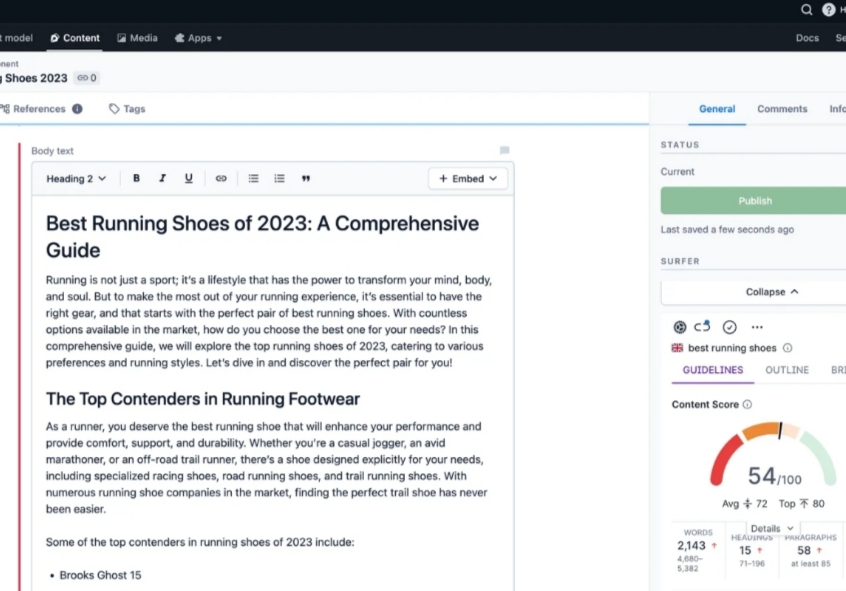
How it works: Use AI SEO tools (like Surfer SEO) to automatically analyze top Google search results for a keyword and generate content briefs with exact headings, keyword density, and search intent guidelines.
Why it matters: Takes the guesswork out of ranking on search engines.
Sales & Customer Service
5. Automated Lead Scoring
How it works: Integrate AI with your CRM to automatically grade inbound leads based on historical conversion data, company size, and engagement levels.
Why it matters: Ensures your sales team prioritizes high-value prospects instead of wasting time cold-calling low-intent leads.
6. Conversational Support “Copilots”
How it works: Build a secure, internal chatbot trained on your business’s private knowledge base, return policies, and product documentation.
Why it matters: Instead of customer support reps spending minutes searching through PDFs, they get instant, accurate, and templated draft replies to copy-paste.
7. AI Sales Coaching via Call Summaries
How it works: Let AI (like Gong or CloserOnDemand) record and analyze outbound sales calls to flag missed opportunities, track customer objections, and measure speaking-to-listening ratios.
Why it matters: Drastically cuts down on the manual time managers spend reviewing sales tapes for training.
8. Hyper-Personalized Outbound Emailing
How it works: Use AI tools to scan a prospect’s LinkedIn profile or company website and craft a tailored, highly specific icebreaker for outbound campaigns.
Why it matters: Replaces generic cold emails with tailored outreach, greatly improving open and response rates.
Everyday Operations & Administration
9. Meeting Transcription and Action Items
How it works: Invite an AI meeting assistant (like Fireflies.ai, Otter.ai, or Teams/Workspace native tools) to internal and external calls.
Why it matters: It automatically transcribes the discussion and delivers a bulleted list of action items, deadlines, and responsibilities, keeping everyone aligned.
10. Smarter Calendar Scheduling
How it works: Use AI scheduling assistants that integrate directly with your team’s calendars to find mutually optimal times for internal or client meetings, factoring in time zones and focus blocks.
Why it matters: Eliminates the back-and-forth “What time works for you?” email threads.
11. Intelligent Document Processing & Data Extraction
How it works: Use AI to automatically scan incoming PDFs, custom invoices, contracts, or physical receipts, extract the key parameters (like dollar amounts, dates, and item names), and log them in your database.
Why it matters: Eliminates manual data-entry errors and speeds up invoice logging.
12. Smart Inbox Triage
How it works: Use AI-driven rules to scan shared company inboxes, read the text of incoming emails, and auto-route them to the correct department (e.g., billing, tech support, or complaints).
Why it matters: Keeps emails from getting lost or delayed in administrative bottlenecks.
Finance & Data Analysis
13. Conversational Data Analysis
How it works: Upload raw CSVs or Excel spreadsheets (like monthly sales, traffic logs, or inventory) directly into an LLM and ask plain-language questions like “What was our most profitable product category in Q2 and why?”
Why it matters: You don’t need to know complex formulas or SQL queries to build custom charts, maps, or data dashboards.
14. Expense Monitoring and Fraud Detection
How it works: AI scans business expense reports and transaction histories, flagging duplicate charges, unusual spending anomalies, or non-compliant purchases.
Why it matters: Dramatically reduces accounting errors and catches fraud before the standard quarterly review.
15. Predictive Inventory and Demand Forecasting
How it works: Supply chain AI analyzes historic sales peaks, seasonal trends, and supplier lead times to suggest exactly what quantities to order.
Why it matters: Keeps your business lean by preventing both stockouts and bloated storage costs.
HR, Legal & Engineering
16. Fast Contract & SOW Generation
How it works: Provide an AI tool with the basic parameters of a deal, and ask it to draft a standard Scope of Work (SOW), non-disclosure agreement (NDA), or contract template.
Why it matters: It handles the repetitive heavy lifting of legal drafting so you only need to run the final output by your legal advisor.
17. Sifting CVs & Screening Candidates
How it works: Run hundreds of job applicant resumes through an AI screening tool set to search for highly specific background milestones, skills, or certifications.
Why it matters: Quickly filters down a mountain of applications to the top 10% most qualified candidates.
18. Tailored Employee Onboarding & Training
How it works: Use adaptive, AI-driven learning systems to train staff based on their specific progress, providing personalized micro-lessons based on their role and speed of learning.
Why it matters: Speeds up employee onboarding time and increases retention compared to generic video lectures.
19. Rapid Prototyping and Code Generation
How it works: Software engineers and product teams can write high-quality, functional code, test scripts, and internal tools using AI code-generation systems.
Why it matters: Reduces the time to build internal applications (like billing system overhauls or dashboard features) from weeks to days.
20. Code Review and Debugging
How it works: Run newly written software code through an AI review assistant to catch hidden bugs, security vulnerabilities, and logic flaws.
Why it matters: Acts as a real-time quality assurance filter, ensuring safer deployments before software goes live to customers.
The Golden Rule of Business AI: Start by choosing the one bottleneck that eats up the most human hours in your current workflow. Automate that single process first, measure the time saved, and scale your AI implementation from there.
Check AI automation for beginners

I enjoy building for the web, exploring new technologies, and finding practical ways to use AI and modern tools to solve problems and make everyday work more efficient. My interests span web development, artificial intelligence, software, digital tools, and the many ideas shaping the future of technology.
Through this blog, I share what I learn, build, discover, and experience along the way. My goal is to make technology easier to understand, share useful insights, and document practical knowledge that can help other developers, creators, and tech enthusiasts.
Technology is constantly changing, and I believe the best way to keep up is to stay curious, keep experimenting, and never stop learning.
- How to Automatically Deliver a PDF After Successful Payment – September 17, 2026
- Why a Payment Gateway Can Say “Successful” While Your Website Shows “Failed” – September 17, 2026
- How to Build Subscription-Based Websites Without Developing an App. – August 21, 2026
Leave a Reply